Static sift, bubble hash, rosin or badder: what is the difference?
All four start in the same place: mature trichome heads from indoor flower. What changes is the physical path from there, and that path decides the texture, the melt and the format you end up holding.
Static sift hash: dry and crystalline
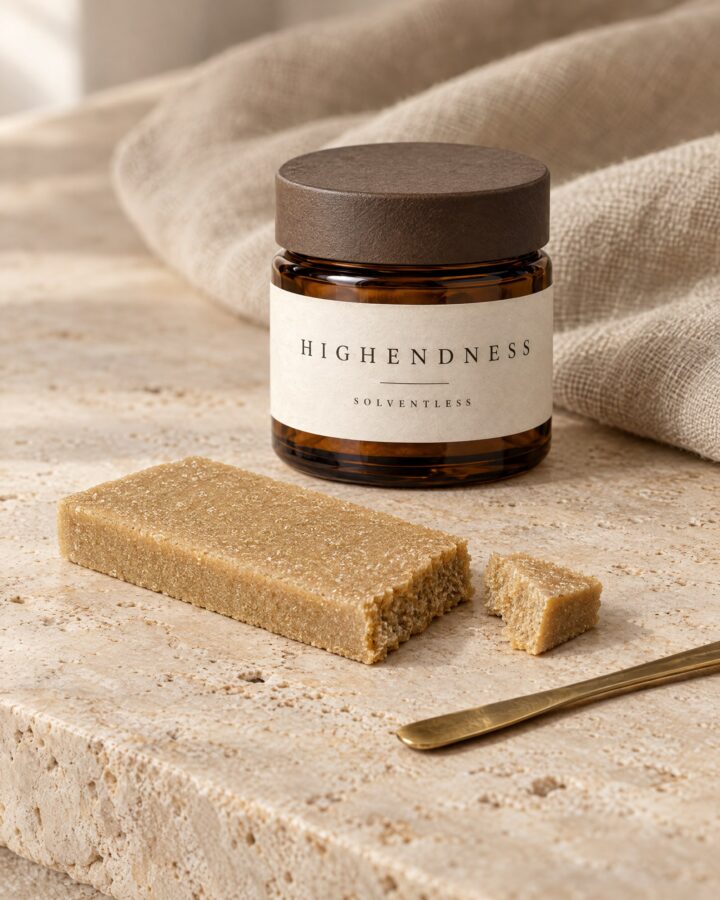
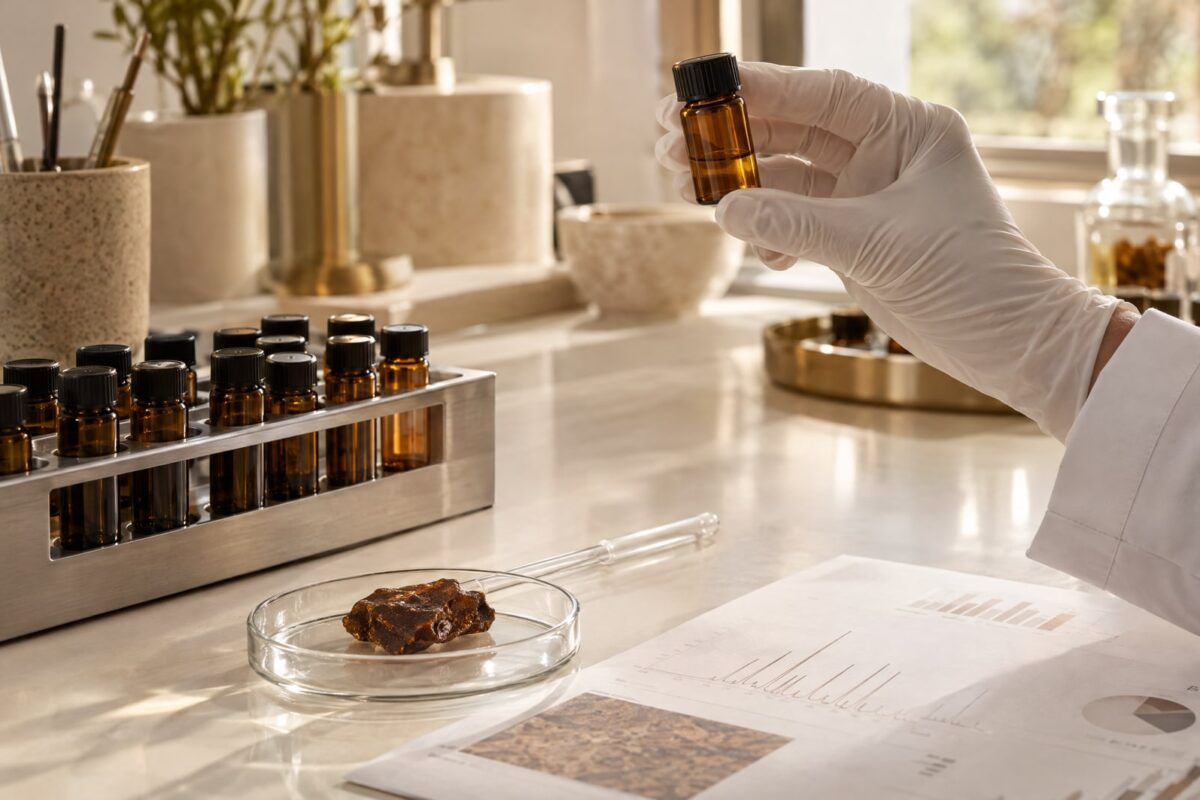
Static Sift Hash is made without a drop of water. Cured flower is agitated across micron screens, and the sift then passes over a charged surface: trichome heads adhere, plant debris is repelled. What is left is pressed at low temperature into a dense plate, or offered in a jar. Choose it for clarity and a dry, crystalline resin.
Bubble hash: the classic
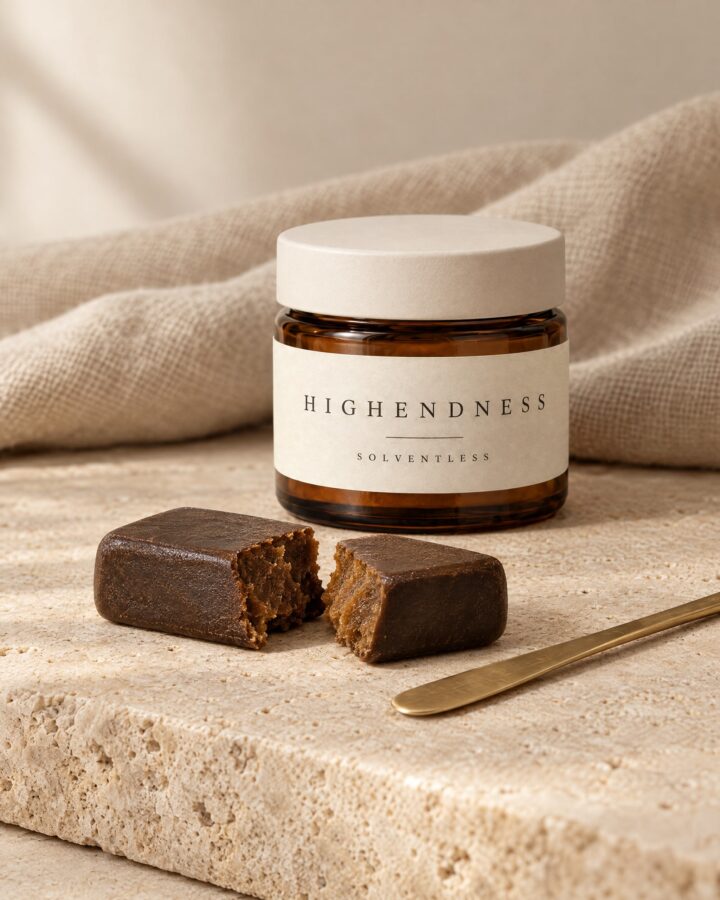
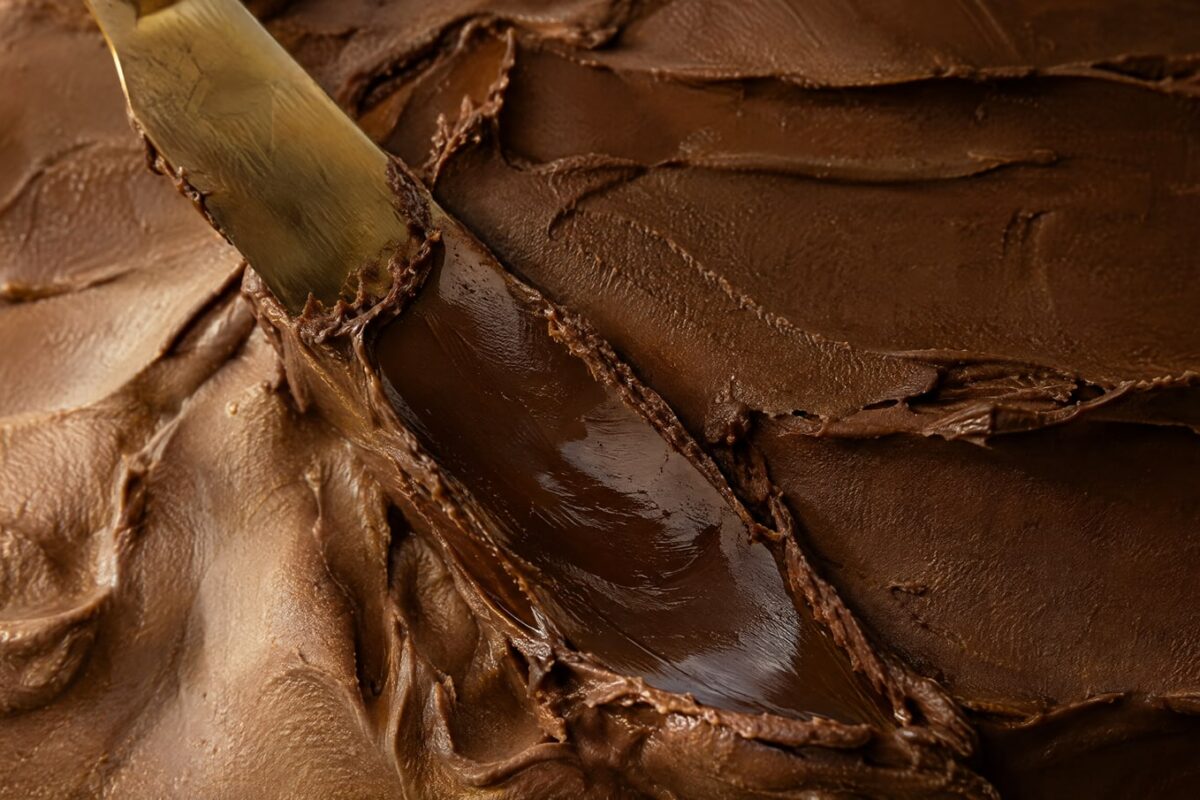
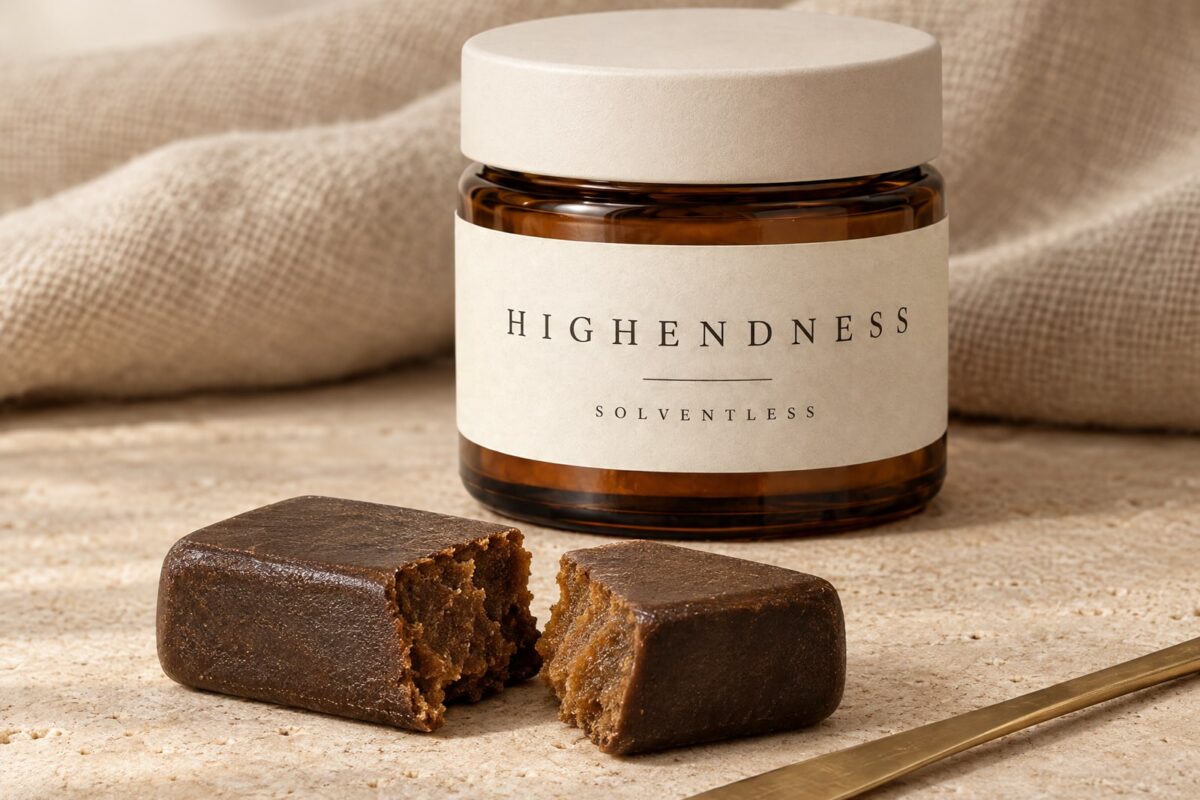
Bubble Hash is the traditional ice-water method. Near-freezing water makes the heads brittle so they snap cleanly from the plant, and graduated micron screens sort them by size. After freeze-drying and a cold cure it becomes a dark, pliable, full-melt brick.
Live rosin: closest to the plant
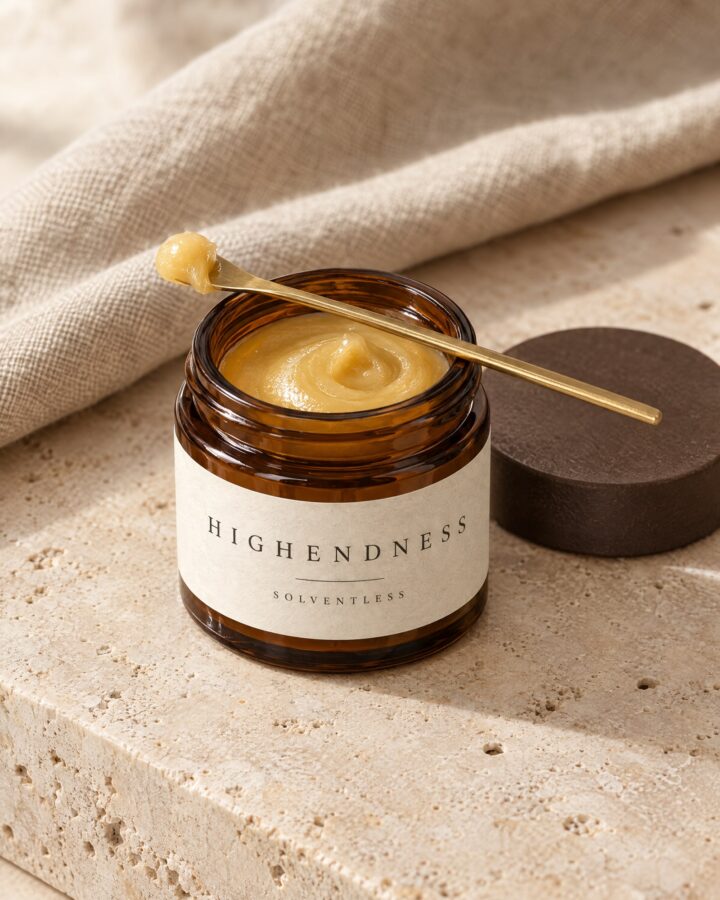
Live Rosin begins as freshly washed ice-water hash. Low heat and progressive pressure express a terpene-rich nectar, and a cold cure turns it silky and homogeneous. Choose it when aroma comes first.
Badder: whipped smooth
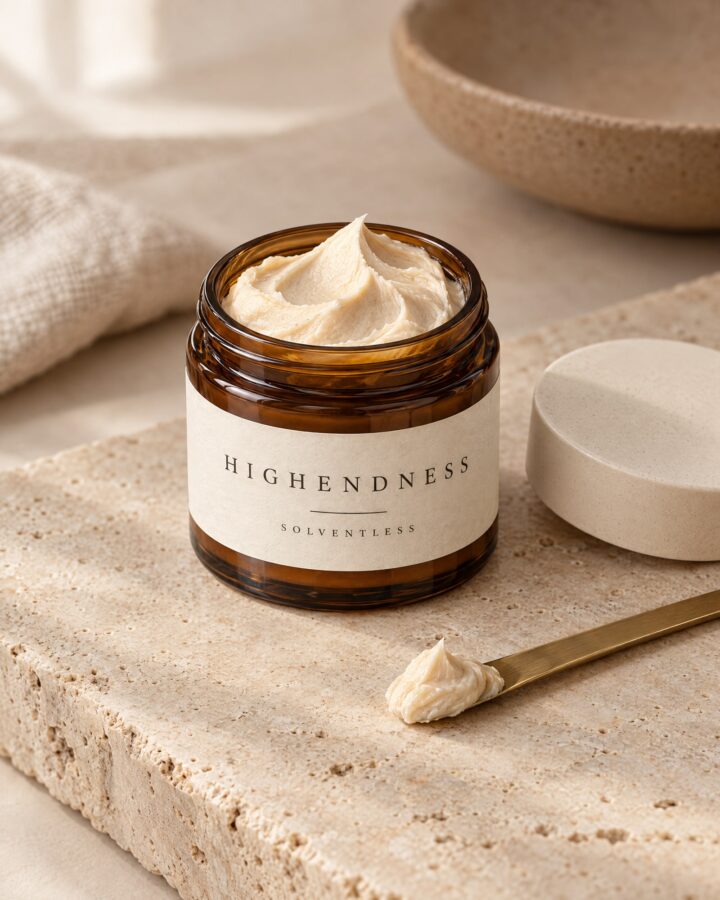
Badder is whipped under strict temperature control until it is opaque and creamy, like cake batter. The whipping binds the terpenes evenly and keeps the texture stable, which also makes it the easiest of the four to work with.
How to choose
By texture, mostly. Dense and crystalline: static sift. A pliable brick: bubble hash. Silky: live rosin. Creamy and spreadable: badder. Every one of them is solventless, and every batch comes with its lab report.